Hmmm. We just saw the PAC-12 dissolved because a lot of people overplayed their hand. The playoff stalemate looks similar. There's a lot of money in a 16 game format, so if I were betting, I think they figure out a solution. The BIGTEN has a good point that 4 non-conference games makes it easier than having only 3.


You are using an out of date browser. It may not display this or other websites correctly.
You should upgrade or use an alternative browser.
You should upgrade or use an alternative browser.
College Sports / Conference Realignment
- Status
- Not open for further replies.
Dan

Admin
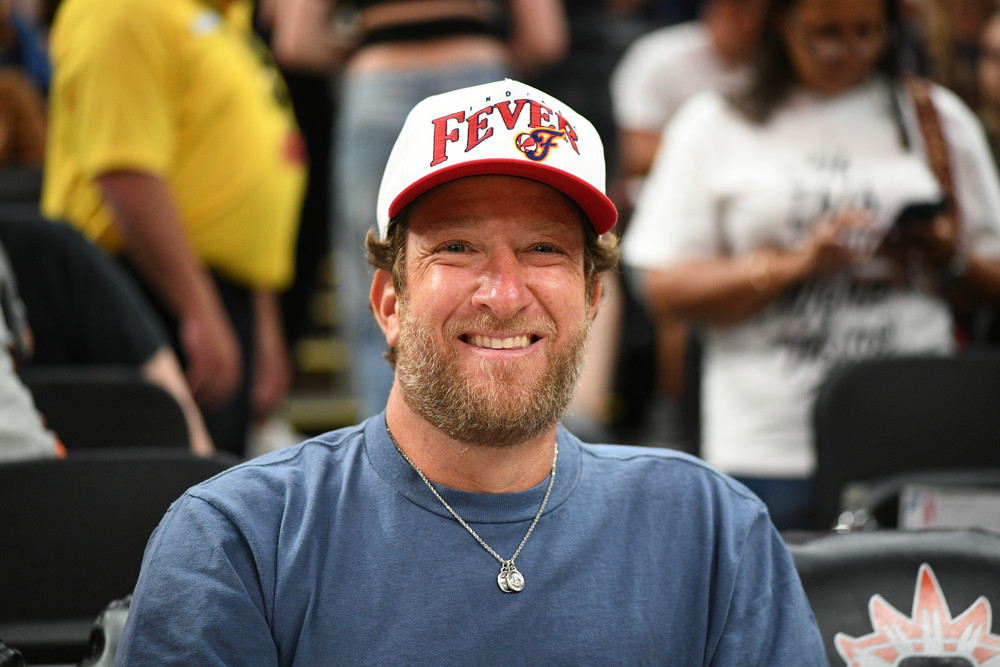
Portnoy reportedly nearing deal with Fox to join 'Big Noon Kickoff'
Barstool Sports founder Dave Portnoy could reportedly be joining the "Big Noon" pregame show as part of an expansive agreement.
 www.sportsmediawatch.com

Great, looking forward to watching him salivate over Michigan each weekPortnoy reportedly nearing deal with Fox to join 'Big Noon Kickoff'
Barstool Sports founder Dave Portnoy could reportedly be joining the "Big Noon" pregame show as part of an expansive agreement.
Sign of progress in that SEC fans aren't naming Illinois anymore as cupcake BIG10 programs. Purdue, Rutgers, MD chief targets.
I won’t be watchingPortnoy reportedly nearing deal with Fox to join 'Big Noon Kickoff'
Barstool Sports founder Dave Portnoy could reportedly be joining the "Big Noon" pregame show as part of an expansive agreement.
The Galloping Ghost

- Washington, DC
This dude on Fox. McAfee on ESPN. It's nice to know that my Saturday mornings are wide open in the fall.Portnoy reportedly nearing deal with Fox to join 'Big Noon Kickoff'
Barstool Sports founder Dave Portnoy could reportedly be joining the "Big Noon" pregame show as part of an expansive agreement.
SuperMetroid

- Evanston
This loser and Urban Meyer? Are they trying to stockpile the most execrable people in sports or something?Portnoy reportedly nearing deal with Fox to join 'Big Noon Kickoff'
Barstool Sports founder Dave Portnoy could reportedly be joining the "Big Noon" pregame show as part of an expansive agreement.


it’s insane the SEC has 4 non cons . B1G should never give in to them on that . sec will fold eventuallyHmmm. We just saw the PAC-12 dissolved because a lot of people overplayed their hand. The playoff stalemate looks similar. There's a lot of money in a 16 game format, so if I were betting, I think they figure out a solution. The BIGTEN has a good point that 4 non-conference games makes it easier than having only 3.

What gets me is this line at the end:
The deadline for finalizing the 2026 CFP format is Dec. 1.
Wait until the season is over, ten decide who is in?
The deadline for finalizing the 2026 CFP format is Dec. 1.
Wait until the season is over, ten decide who is in?
Joel Goodson

- 9th man conundrum
pretty much agree with this:
Joel Goodson
- 9th man conundrum
it’s insane the SEC has 4 non cons . B1G should never give in to them on that . sec will fold eventually
If this gets them to a 16 team 4/4/2/2/1 +3 format for the playoff, that's a win for the SEC (and the BIG). The other conferences won't like it, but given the dominance of the 2 leagues, I think they'll get it.
If that goes through, I'll be curious how the Big12 and ACC handle their 2 bids. Will those go to the 2 in the conference championship game or some other format?
Why am I not surprised

Easiest solution IMO is this:I don’t have any idea what the right solution is
do you ?
I do know unlimited transferring is not sustainable . it doesn’t exist in any pro sport anywhere .
-NIL rules remain unchanged
-Transfer sit out year brought back, doesn't count against eligibility, waived in case of HC leaving school, school changing conferences.
Players still get paid, but incentivized to stay at their original school unless they lose a year of tape, draft hype, etc. Players that really want to leave for $$$ have to sit out a year like in the old system but that's the tradeoff.

The sit out year cures most of the problems. It stabilizes rosters but allows (calculated) transfers rather than volatile scrambles after the next higher bid.Easiest solution IMO is this:
-NIL rules remain unchanged
-Transfer sit out year brought back, doesn't count against eligibility, waived in case of HC leaving school, school changing conferences.
Players still get paid, but incentivized to stay at their original school unless they lose a year of tape, draft hype, etc. Players that really want to leave for $$$ have to sit out a year like in the old system but that's the tradeoff.
RabidDawgClassic

- Los Angeles, CA
Easiest solution IMO is this:
-NIL rules remain unchanged
-Transfer sit out year brought back, doesn't count against eligibility, waived in case of HC leaving school, school changing conferences.
Players still get paid, but incentivized to stay at their original school unless they lose a year of tape, draft hype, etc. Players that really want to leave for $$$ have to sit out a year like in the old system but that's the tradeoff.
You guys are forgetting that the courts have already ruled against the sit-out year.The sit out year cures most of the problems. It stabilizes rosters but allows (calculated) transfers rather than volatile scrambles after the next higher bid.
That was a TRO, a temporary restraining order, rather than a final ruling. Not sure where the case itself stands. Maybe the NCAA caved rather than fighting it?You guys are forgetting that the courts have already ruled against the sit-out year.
Somehow the NFL is able to restrict movement, as are all pro leagues, without fear of anti-trust violations. Why shouldn’t the NCAA? The reasoning escapes my simple mind.
Let’s “test the boundary conditions”. Why is it legal to restrict transfers to portal periods? Why not 365 days per year, using the very same reasoning from the WVA suit - the portal also restricts competition, violating anti-trust laws. Bring on the Wild West roll with transfers at any time! That’s the logical end point.
RabidDawgClassic
- Los Angeles, CA
Because the NFL and all pro leagues pay their players as employees AND have collective bargaining agreements. It really is that simple.That was a TRO, a temporary restraining order, rather than a final ruling. Not sure where the case itself stands. Maybe the NCAA caved rather than fighting it?
Somehow the NFL is able to restrict movement, as are all pro leagues, without fear of anti-trust violations. Why shouldn’t the NCAA? The reasoning escapes my simple mind.
Let’s “test the boundary conditions”. Why is it legal to restrict transfers to portal periods? Why not 365 days per year, using the very same reasoning from the WVA suit - the portal also restricts competition, violating anti-trust laws. Bring on the Wild West roll with transfers at any time! That’s the logical end point.
Because the NFL and all pro leagues pay their players as employees AND have collective bargaining agreements. It really is that simple.
Just to add to that...and they negotiated a solution that both parties agreed to. The restrictions to the player and teams are relatively modest in the NFL, at least compared to a sit out year when players only have a few years of eligibility.
Isn't the House Settlement also a negotiated solution?Just to add to that...and they negotiated a solution that both parties agreed to. The restrictions to the player and teams are relatively modest in the NFL, at least compared to a sit out year when players only have a few years of eligibility.
Fair point, but the courts also ruled you can't limit NIL.....aaaaaaaand the president is currently about to release an EO limiting NIL as we speak, so we'll see what happens.You guys are forgetting that the courts have already ruled against the sit-out year.
Isn't the House Settlement also a negotiated solution?
Yes, but it's a settlement to a lawsuit rather than a more comprehensive collective bargaining agreement. That's a very big gap. The way the NCAA, conferences, and players look at the issues and how to address them is pretty far apart from what I've read. The underlying instability has led to 10+ years of court battles from a business model where the athlete's side of the business hasn't been properly addressed. The 'Valid business purpose" is certainly going back to the special master given the way the CSC is trying to exercise authority over NIL deals in a way that arguably violates the agreement that just got approved. To my eyes, there isn't a way to push back that would stop the CSC from ignoring the players at every turn. To me that says we'll continue to see the NCAA/CSC try to put rules on the players that the players don't like, and the players suing. That's essentially what's been happening since the courts found for O'Bannon in 2014.
As a fan, this is madness. But following it, I feel like it's just the sides fighting for their share of the pie while they can't agree on a better process. The NCAA has lost virtually every time in court, but it doesn't seem to stop them from taking an aggressive stance and dealing with the fallout.

JMO, and FWIW I find it fascinating to watch how it plays out.
RabidDawgClassic
- Los Angeles, CA
I’ll add that this is a settlement between the NCAA and an individual named Grant House. It has nothing to do with the House of Representatives as many (myself included, originally) assumed. While this does restructure the nature of NIL, it’s nothing that involves Congress or any lawmakers.Yes, but it's a settlement to a lawsuit rather than a more comprehensive collective bargaining agreement. That's a very big gap. The way the NCAA, conferences, and players look at the issues and how to address them is pretty far apart from what I've read. The underlying instability has led to 10+ years of court battles from a business model where the athlete's side of the business hasn't been properly addressed. The 'Valid business purpose" is certainly going back to the special master given the way the CSC is trying to exercise authority over NIL deals in a way that arguably violates the agreement that just got approved. To my eyes, there isn't a way to push back that would stop the CSC from ignoring the players at every turn. To me that says we'll continue to see the NCAA/CSC try to put rules on the players that the players don't like, and the players suing. That's essentially what's been happening since the courts found for O'Bannon in 2014.
As a fan, this is madness. But following it, I feel like it's just the sides fighting for their share of the pie while they can't agree on a better process. The NCAA has lost virtually every time in court, but it doesn't seem to stop them from taking an aggressive stance and dealing with the fallout.
JMO, and FWIW I find it fascinating to watch how it plays out.
lstewart53x3

- Scottsdale, Arizona
I am today years old when I learned this.I’ll add that this is a settlement between the NCAA and an individual named Grant House. It has nothing to do with the House of Representatives as many (myself included, originally) assumed. While this does restructure the nature of NIL, it’s nothing that involves Congress or any lawmakers.

Make them employees. They generate tremendous revenue for their schools and should be compensated. A free education is a fringe benefit but no longer required to attend classes. The idea of a “student-athlete” would be optional. Have signed contracts and other guidelines in place similar to professional sports.Easiest solution IMO is this:
-NIL rules remain unchanged
-Transfer sit out year brought back, doesn't count against eligibility, waived in case of HC leaving school, school changing conferences.
Players still get paid, but incentivized to stay at their original school unless they lose a year of tape, draft hype, etc. Players that really want to leave for $$$ have to sit out a year like in the old system but that's the tradeoff.
- Status
- Not open for further replies.