One problem that most would agree is that the current system doesn’t really promote any loyalty to the team, program or university…players are pretty much free to come and go at any point and time. Not sure exactly how this would work but I would like to see players receive a base salary for each year they play…that base pay would increase each year and more so if they stayed at the same school each year, plus a bonus incentive for stay at the same school for your entire playing career. Schools could offer incentives to individual players for team and individual player achievement. Team wins 20+ games, wins conference, makes ncaa tourney, makes elite 8, etc etc…player makes first all B10 team, leads league in steals, rebounds, named all-American, etc etc..players would have some motivation to play for team results as well as individual results as well…just some thoughts on maybe how to add some sanity to pretty much a wide open insane system we seem to currently have


You are using an out of date browser. It may not display this or other websites correctly.
You should upgrade or use an alternative browser.
You should upgrade or use an alternative browser.
Coaching Carousel (Basketball)
- Status
- Not open for further replies.
Illini in Italy

- Illini HQ, Florida Panhandle
All of that could be accounted for in the construct of a contract. . . The contract has be the second priority after a CBAOne problem that most would agree is that the current system doesn’t really promote any loyalty to the team, program or university…players are pretty much free to come and go at any point and time. Not sure exactly how this would work but I would like to see players receive a base salary for each year they play…that base pay would increase each year and more so if they stayed at the same school each year, plus a bonus incentive for stay at the same school for your entire playing career. Schools could offer incentives to individual players for team and individual player achievement. Team wins 20+ games, wins conference, makes ncaa tourney, makes elite 8, etc etc…player makes first all B10 team, leads league in steals, rebounds, named all-American, etc etc..players would have some motivation to play for team results as well as individual results as well…just some thoughts on maybe how to add some sanity to pretty much a wide open insane system we seem to currently have
ChiefGritty

- Chicago, IL
The loser mentality that anything other than Ron Guenther ever held us back from acquiring talent in an equivalent manner to our peer schools poisoned this fanbase for 25 years and nothing Josh Whitman has done has been more important or more personally gratifying than burying that factually false delusion with a string of garlic around its neck and a golden stake through the heart.The least sensible system was when every team but the Illini could pay players under the table.
We've paid well for a gifted and exciting team and that has Lou Henson smiling down from heaven.
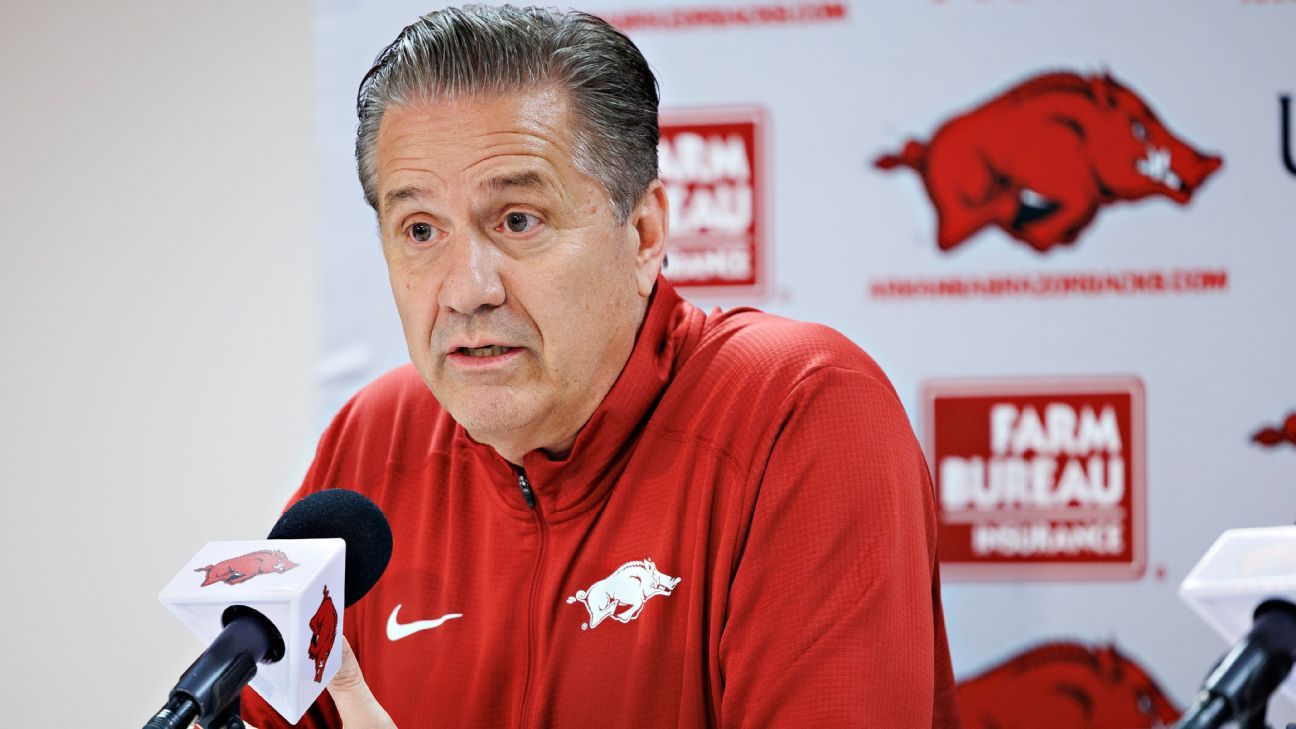
Well, this isn't a healthy spot in my opinion. It's the least regulated sport on the planet right now.Yeah he was quoted as saying "The game and college athletics are not in a healthy spot. I think I was equipped to do the job the old way" and there's been articles released that effectively treat him like a martyr for the good ole days of officially unpaid players being stuck on teams.
There's no world where schools will offer contracts and accept players not signing them. While game theory suggests a school could target those contract-refusing players, history tells us the schools will collude "to preserve the sanctity of the game" or something. Frankly if contracts were a thing they'd at least be made consistent at the conference level, and only the power conferences need to implement them because there's not enough money in the lesser schools to compete for these players anyway.
Schools have no ability to offer contracts. The idea that they would offer contracts and then players would turn them down is pretty crazy. But sure, it could happen. Or they could turn down the second year offer. Schools could then decide if they wanted that. It can happen now, but how often do you hear of free agents in the pros turning down multiyear deals so they can be free agents after the next season.
I'm not sure why you think lower tiered conferences wouldn't do this. But I don't have a clue what they might be offering players right now. None of us really do.
And this is not all roses for the players right now. Look at Booth. He comes here, probably thinks with a chance for good minutes, and then a bunch of other guys come in afterwards who look to take some of those minutes. So a highly regarded transfer ends up getting less of a deal than he thought. But his NIL is at least taken care of. All is good. But what if we decide we don't want the next year and he's a free agent again. He goes back on the market, with perhaps lesser numbers. With a multiyear contract he's got some protection.
The problem is that the top players either are going to take a contract bid from a problem that gives them their money up front or they're going to get bids in the subsequent years from other programs that'll make whatever loyalty provision there is in a contract irrelevant. Just do what Brad and Co have done recently that's led to our success, man. Embrace the chaos.All of that could be accounted for in the construct of a contract. . . The contract has be the second priority after a CBA
Contracts are legally binding. Presumably multi-year deals will have termination clauses. with penalties, etc.The problem is that the top players either are going to take a contract bid from a problem that gives them their money up front or they're going to get bids in the subsequent years from other programs that'll make whatever loyalty provision there is in a contract irrelevant. Just do what Brad and Co have done recently that's led to our success, man. Embrace the chaos.
We can and should embrace the current situation. I doubt it lasts.
Yes of course, just like all the NBA and NFL players that unilaterally terminate their multi-year deals every yearThe problem is that the top players either are going to take a contract bid from a problem that gives them their money up front or they're going to get bids in the subsequent years from other programs that'll make whatever loyalty provision there is in a contract irrelevant. Just do what Brad and Co have done recently that's led to our success, man. Embrace the chaos.
 .
.Let's please stop acting like there is no possible way to ensure roster stability. There are plenty of real world examples. Free agency exists in other leagues, and they've managed to find ways to make it far less chaotic than the current NCAA status quo.

Thing is those leagues are meant to be careers, they're the final destination in the athletic journey. College sports are essentially job interviews. Student athletes have got four years to impress or they'll have to find something else to do for the rest of their lives.Yes of course, just like all the NBA and NFL players that unilaterally terminate their multi-year deals every year
Let's please stop acting like there is no possible way to ensure roster stability. There are plenty of real world examples. Free agency exists in other leagues, and they've managed to find ways to make it far less chaotic than the current NCAA status quo.
To a pro athlete, a bad contract means getting underpaid until they reach free agency. Pro athletes are increasingly sitting out until they get trades/new contracts, even when they have multiple years left.
To a student athlete, a bad contract means wasting limited eligibility years. "Hope you enjoyed your four-year contract, sorry you got recruited over after you sat on the bench in year 1 but at least you got your guaranteed $100k a year, have fun selling insurance." There have gotta be hundreds of athletes at this point who would've gone pro had they been able to easily transfer and show off at their new destination.
The average NFL career is 3 years. Many, many NBA players never make it past their rookie deals. This is not unique. As with other leagues, players would be able to afford agents and attorneys, and would unionize, so as to put contract provisions and a CBA in place that provide at least some protection.To a student athlete, a bad contract means wasting limited eligibility years. "Hope you enjoyed your four-year contract, sorry you got recruited over after you sat on the bench in year 1 but at least you got your guaranteed $100k a year, have fun selling insurance." There have gotta be hundreds of athletes at this point who would've gone pro had they been able to easily transfer and show off at their new destination.
ptgrd23

- orange county CA
Great experiment. Charlie Finley proposed that MLB only allow 1 year contracts making everyone free agent at end of year. At the time baseball players were very underpaid so it made no sense. College basketball and football are the major sports that has done it. Yet look at champions - Blue Blood UCONN (twice), Michigan and Georgia. The blue bloods like Oregon and OSU are spending $20/year NIL vs Illinois $3M. In the end just like MLBhighest payroll Yankees $300M and Dodgers $240M in WS.
Salary caps also exist in other leagues. If a hard cap were to be implemented, then you'd be able to compare apples to apples.
The only league that doesn't manage a cap and look what you have.
The only league that doesn't manage a cap and look what you have.


Battle89

- Cary-Grove, the better Trojan team
So pretty much the exact opposite of how we have operated and succeeded in the new hoops world? We have been 'the one who knocks', the last thing we want is agreements incentivizing staying put. We've got a top-5 recruiter in OA, let's please not hamstring him.One problem that most would agree is that the current system doesn’t really promote any loyalty to the team, program or university…players are pretty much free to come and go at any point and time. Not sure exactly how this would work but I would like to see players receive a base salary for each year they play…that base pay would increase each year and more so if they stayed at the same school each year, plus a bonus incentive for stay at the same school for your entire playing career. Schools could offer incentives to individual players for team and individual player achievement. Team wins 20+ games, wins conference, makes ncaa tourney, makes elite 8, etc etc…player makes first all B10 team, leads league in steals, rebounds, named all-American, etc etc..players would have some motivation to play for team results as well as individual results as well…just some thoughts on maybe how to add some sanity to pretty much a wide open insane system we seem to currently have

When was the last time a contract stopped a coach from moving on to bigger and better things?A big difference in the coach vs player discussion is that the coach is bound to the terms of a contract, the players have no such restrictions.
Tony Bennett was under contract at WSU when he interviewed for IU, LSU and eventually took the Virginia job (leaving future HOFer Klay Thompson behind).
sacraig

- The desert
Sure but those moves have buyouts involved. Essentially penalties for either contact backing out early.When was the last time a contract stopped a coach from moving on to bigger and better things?
Tony Bennett was under contract at WSU when he interviewed for IU, LSU and eventually took the Virginia job (leaving future HOFer Klay Thompson behind).
Depending on the value of a coach compared to when the contract was signed, sometimes it's economical to pay the buyout. Sometimes not.
So you're saying that the contract and penalties don't materially change a motivated coach's ability to move?Sure but those moves have buyouts involved. Essentially penalties for either contact backing out early.
Depending on the value of a coach compared to when the contract was signed, sometimes it's economical to pay the buyout. Sometimes not.
I don't see how that wouldn't apply to players, they would be dealing with the same school leadership that are happily breaking contracts and paying exorbitant sums for coaches.
sacraig
- The desert
It raises the bar for how much motivation it requires to move. It reduces the rate of transfers but doesn't eliminate them.So you're saying that the contract and penalties don't materially change a motivated coach's ability to move?
I don't see how that wouldn't apply to players, they would be dealing with the same school leadership that are happily breaking contracts and paying exorbitant sums for coaches.
This just sounds like it'll transfer some of the wealth athletes would receive to the schools they're leaving. Instead of demanding $1M straight a kid would get $800k and the school gets a $200k buyout.It raises the bar for how much motivation it requires to move. It reduces the rate of transfers but doesn't eliminate them.
That might be the intent as it is essentially providing compensation for losing transfers.
I imagine buyouts are stopping a very large number of coaching moves. Both firings and coaches moving on.So you're saying that the contract and penalties don't materially change a motivated coach's ability to move?
I don't see how that wouldn't apply to players, they would be dealing with the same school leadership that are happily breaking contracts and paying exorbitant sums for coaches.
Illini in Italy
- Illini HQ, Florida Panhandle
But there were provisions in his contract governing the exit. In the current world governing player movement, there is very, very little, and it is getting smaller every day. Don't get me wrong, I'm not against a player being able to make a change, but there have to be guardrails in place to prevent this sh!tsh0W we have today.When was the last time a contract stopped a coach from moving on to bigger and better things?
Tony Bennett was under contract at WSU when he interviewed for IU, LSU and eventually took the Virginia job (leaving future HOFer Klay Thompson behind).
sacraig
- The desert
It would be whoever funded the contract that recoups that $200k. Either way, the point is there would be incentives for a player to stay, i.e., not having to eat a buyout. That's more of a barrier than literally nothing.This just sounds like it'll transfer some of the wealth athletes would receive to the schools they're leaving. Instead of demanding $1M straight a kid would get $800k and the school gets a $200k buyout.
That might be the intent as it is essentially providing compensation for losing transfers.
A kid gets $1M and a contract that says they get, say, $250k a year ($1M total) and they have to forfeit the remainder and pay a penalty if they transfer with the penalty maybe decreasing every year. Plus bonuses for if they leave early for the draft. That's far different from what you just described (and similar to how pro players operate). And please don't call me out on exact dollar amounts. I just pulled numbers out of a hat for convenience.
I just think you all are romanticizing contracts here.I imagine buyouts are stopping a very large number of coaching moves. Both firings and coaches moving on.
68 head coaches changed jobs this offseason, so with 5 person staffs at least 340 ACs moved. So conservatively you had ~400 coaches move across 355 D1 programs.
Men's college basketball coaching changes for 2024-25
An up-to-date list of every coaching hiring and firing in men's college basketball ahead of the 2024-25 season.
Sure you might stop some movement by adding beuracracy but any high major will treat it like a transfer fee and pony up.It would be whoever funded the contract that recoups that $200k. Either way, the point is there would be incentives for a player to stay, i.e., not having to eat a buyout. That's more of a barrier than literally nothing.
A kid gets $1M and a contract that says they get, say, $250k a year ($1M total) and they have to forfeit the remainder and pay a penalty if they transfer with the penalty maybe decreasing every year. Plus bonuses for if they leave early for the draft. That's far different from what you just described (and similar to how pro players operate). And please don't call me out on exact dollar amounts. I just pulled numbers out of a hat for convenience.
The player will just get what the school was willing to offer before minus the fee.
Honestly it sounds a lot like the old, illegal system.

A hard cap isn't going to do much. It will just go back to kids getting paid under the table.Salary caps also exist in other leagues. If a hard cap were to be implemented, then you'd be able to compare apples to apples.
The only league that doesn't manage a cap and look what you have.
- Status
- Not open for further replies.