Battle89

- Cary-Grove, the better Trojan team
Sounds like you are keeping abreast of @ChiefGritty's posts, @RabidDawgClassic


How did we all love it? You may be trying to put words in our mouths.An antitrust exemption (antitrust law being what is being violated in @Illinifrank67 's hypothetical) solves this problem once and for all for the NCAA, which is why they are pulling out all the stops to get one via the Protect College Sports Act.
We the people via our elected representatives have them over a barrel, we could roll back the horrible injuries our beloved pastimes have suffered in the past decade or so as our price for handing the NCAA back the reins of control.
I wish more people would see it that way. If the NCAA wants its monopoly back, it should be forced to give us college sports back the way we all loved it.
Renn is a joke ,,24 played in nba summer league and wants to play against kids because he's been shown he won't cut it in the NBAIsn't Trey kaughman Ren like 30 years old? Woof. If Kansas wins 3 court cases they will be legit. Bill Self looks skinny and not as red as a tomatoe. Awesome, keep thinking we'll see him drop on court while coaching.
Renn is a joke ,,24 played in nba summer league and wants to play against kids because he's been shown he won't cut it in the NBA
Low 6 figures vs mid 7 to come back? This is a hate the game situationRenn is a joke ,,24 played in nba summer league and wants to play against kids because he's been shown he won't cut it in the NBA
He was a cancer on Purdue last year. He made less than Cluff, and was not happy about it.Renn is a joke ,,24 played in nba summer league and wants to play against kids because he's been shown he won't cut it in the NBA

Oh I don't mean stop paying the players, within reason. I mean put the old conferences back together and cut the CFP down to size. Not to mention public floggings for all responsible for NCAA tournament expansion.We loved Illinois football being an inept afterthought and Illinois basketball challenging for a final four spot once every 20 years? I won’t argue that the current system sustainable, but both illinois football and basketball have benefitted greatly from the leveling, albeit uneven, of the financial field.
So the Big 8, the Pac 8, the Southwest Conference, the Big Ten and the SEC?Oh I don't mean stop paying the players, within reason. I mean put the old conferences back together and cut the CFP down to size. Not to mention public floggings for all responsible for NCAA tournament expansion.
Reasonable people can disagree on the ideal form. But nobody thinks the current situation is the ideal form, and the Protect College Sports Act enshrines it forever.

The protect college sports act is flawed from the get go. If passed, it’ll be challenged in court on multiple levels and those challengers will win, if only from the stand point that one of the two major parties involved — the players — had no input.Oh I don't mean stop paying the players, within reason. I mean put the old conferences back together and cut the CFP down to size. Not to mention public floggings for all responsible for NCAA tournament expansion.
Reasonable people can disagree on the ideal form. But nobody thinks the current situation is the ideal form, and the Protect College Sports Act enshrines it forever.
one quote I liked>>>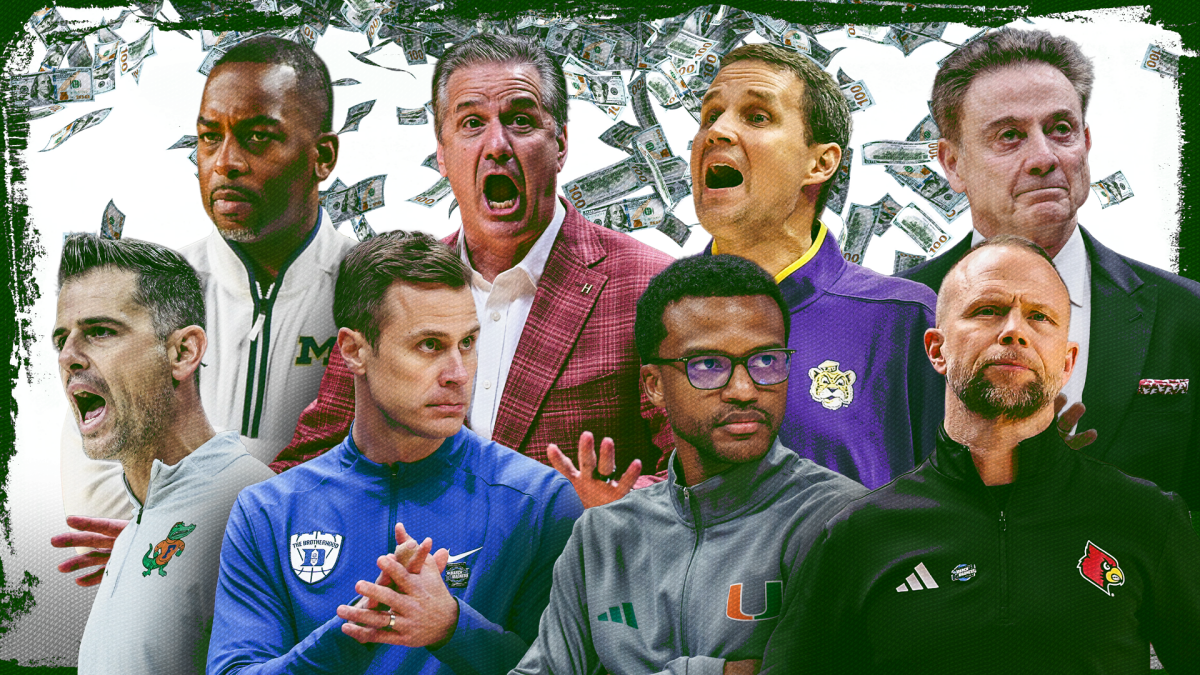
College basketball's NIL arms race, from $5M to $25M+: Breaking down roster values, spending tiers for 2026-27
CBS Sports contacted more than 100-plus sources to discover how much each power-conference hoops program invested this seasonwww.cbssports.com
Illini playing with the big boys.
I agree it's deeply flawed but I'm skeptical it would be overturned. It would have to be a constitutional challenge, and I'm not sure there's a strong constitutional basis for overturning it. Likeliest seems to be a 1st Amendment challenge for the NIL cap (restricting commercial speech as it restricts endorsements), but the government will argue a compelling government interest and narrowly tailored restriction makes this OK under the Commerce Clause.The protect college sports act is flawed from the get go. If passed, it’ll be challenged in court on multiple levels and those challengers will win, if only from the stand point that one of the two major parties involved — the players — had no input.
If I were in charge I literally would reinstate the competitive structure of 1994. I have the courage of my convictions on this.So the Big 8, the Pac 8, the Southwest Conference, the Big Ten and the SEC?
I hesitate to speak in absolutes against the forces of litigation creativity and judicial irresponsibility, but I think you're misreading this. The NCAA is getting brutalized in court because its rules are restraints on trade in violation of antitrust laws, which are acts of Congress. An act of Congress granting them an exemption from those laws means they no longer apply, there's no more litigation hook there.The protect college sports act is flawed from the get go. If passed, it’ll be challenged in court on multiple levels and those challengers will win, if only from the stand point that one of the two major parties involved — the players — had no input.

It depends on which school they go to as to whether the NCAA would enforce it tho. They don't want a hard and fast rule cause then they'd have to enforce equally against say Cleveland State & Kansas. The want (& have always wanted) wiggle room in their rules so they can throw the book at the lesser likes & mildly big programs but let the blue bloods (Kansas, Kentucky, Duke, UNC, UCLA in the old days, etc, etc) do whatever they hell they want.When it comes to basketball the one thing the NCAA has complete autonomy over is the tournament- why not just say that any school that uses players that don’t meet their eligibility requirements can’t participate in the tournament- court ruling or not
That would stop these schools from taking kids that aren’t eligible per NCAA rules
You know what they say - You gotta spend money to lose money!one quote I liked>>>
The Hoosiers are one of only two teams that comfortably rank in the top 15 in spending but are not ranked in the preseason AP Top 25. (North Carolina, under a first-year coach, is the other.)
Some of these are ok but this is just unreasonably harsh. Player gets recruited over or has bad experience at School A, burns a year or or two of his eligibility there, then has to either burn another year going elsewhere or has to stay and hope thing get better. I think there should be some transfer rules, but this is an even harsher transfer restriction than what existed previously and in my opinion allowing more room for transfers has been, overall, good for college athletics, not bad.The full re-institution of the sit-out year for transfers, with no exceptions, within a 5-for-5 framework (so you're burning 1 of your 5 to transfer)
I am willing to negotiate. But I would say three things.Some of these are ok but this is just unreasonably harsh. Player gets recruited over or has bad experience at School A, burns a year or or two of his eligibility there, then has to either burn another year going elsewhere or has to stay and hope thing get better. I think there should be some transfer rules, but this is an even harsher transfer restriction than what existed previously and in my opinion allowing more room for transfers has been, overall, good for college athletics, not bad.
Is it really?I am willing to negotiate. But I would say three things.
1. Playing for one school and one school only being the normal and most common career path of a revenue sport athlete is maybe the single most important bedrock principle of the whole operation.

I like one free transfer. You choose the wrong college as a 17 year old high school student, sure, you get a do-over. Transferring a second time requires a sit out year. And as long as NIL is a part of the game, I'm also not mad at schools having a larger retention bucket to further incentivize staying.I am willing to negotiate. But I would say three things.
1. Playing for one school and one school only being the normal and most common career path of a revenue sport athlete is maybe the single most important bedrock principle of the whole operation. That's the invisible thread tying fans to this minor league sport in such an unusual and hard-to-explain way. They are ours and we are theirs forever in a way pro sports can't imitate. That doesn't mean NO transfers, but it means rare transfers.
2. Transfer liberalization was brought to the sport INSTEAD of paying the players, in hopes of killing the momentum toward paying the players. That's historical fact. In a world in which the players are being adequately compensated for their labor, the ethical and moral justification for them to have total freedom of where to play every year is much lesser and there would have been no reason for those expectations to get baked in.
3. I have never thought the sit-out year was harsh or really even a punishment at all in the first place, and in a world in which the players are paid there's even less support for that viewpoint. Practicing, traveling, being a part of the team, being handsomely paid, and just not being able to impact results competitively for a year is a price to be paid, no question, but a small price to be paid relative to the enormous impact it has on #1.
(I like this version less, but another way you could pursue similar objectives would be to just ban Power Five-to-Power-Five transfers full stop, but have no restrictions on transfers into our out of the Power Five)
Okay, what if we brought back redshirts and 5 to play 4?Transfers have never resulted in a loss of a year of eligibility
They sat a year and became legends and icons at their new schools regardless. The idea that the sit out year is an unsurmountable barrier to a player finding the right place for them is misguidedly strong in this discourse. Leave everything else the same (i.e. an unfettered pay-for-play market and the House settlement revenue sharing) and bring back no-exceptions sit out years and there would still be a very robust portal market every offseason. It just wouldn't swallow the sport the way it has.And more selfishly, would we want to live in a world where guys like Kenny Battle, Jeff George never end up playing for the Illini?
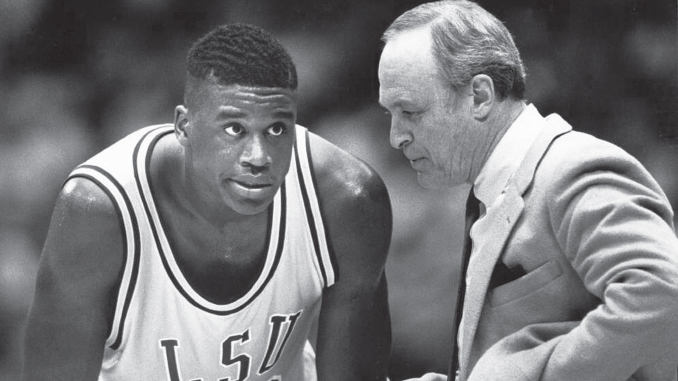
 www.tigerrag.com
Doesn't seem very sencire to me

IMO there was too much arbitrariness in who got the redshirts, and the time it took for schools to get answers. I like think the 5/5 with no exceptions is an improvement. I'd rather see 4/4, no exceptions.Okay, what if we brought back redshirts and 5 to play 4?


