

You are using an out of date browser. It may not display this or other websites correctly.
You should upgrade or use an alternative browser.
You should upgrade or use an alternative browser.
College Sports (Football)
- Status
- Not open for further replies.



Partridge sues Michigan over firing during Stalions scandal
Former Michigan assistant Chris Partridge sued the university, its board and AD Warde Manuel, alleging he was made a "scapegoat" when he was fired during the Wolverines' 2023 sign-stealing scandal.
Is this finally what gets Warde Manuel canned?
band camp

- STL City

Sherrone Moore's former assistant calls out 'systemic failures' at Michigan
The assistant of former Michigan coach Sherrone Moore called out the school's 'systemic failures' through her lawyers on March 6:
www.usatoday.com
Or maybe this will be the nail in the coffin for Manuel.
The above article reads to me as if the young lady in the S. Moore case is going to bring a civil suit against the University and everyone else she can.
Stroth, one of her attorneys did his undergrad at the beloved. Go get em slugger.
Joel Goodson

- it's all ball bearings, nowadays
proof is in the pudding, but if they get this right, it'll be huge

Shouldn't they clearly define targeting so there's more consistency in the calls within a game as well as game to game?
The officials don’t even know what targeting is
Battle89

- Cary-Grove, the better Trojan team
And who the heck is policing the '10 out of 16' stuff?Why wouldn’t they let the head coach on the road
If I am #10 coming home and my plane is delayed, does that mean #11 cannot leave his house yet?
Seems silly to me but maybe there is some logic behind it.
Because very few head coaches want to do that. BB is the exception.Why wouldn’t they let the head coach on the road
The officials don’t even know what targeting is.
none of us do. can a offensive player, running back or tight end for example, use his helmet to deliver a blow to a tackler and be called for targeting?
can an offensive lineman use his helmet in run blocking, can the defender do the same. It seems that, like holding, it could be called 10-15 times a
game or more. Often a receiver or running back turns their head or ducks upon contact and creates targeting. i think the call needs to be limited, like
clipping or NFL defenseless receiver rule, to a "defenseless" player or someone who's back is turned away from a tacker, like the receiver rule. the game
moves too fast for a defender to always turn to a shoulder or get under a runner. AI says this, it makes more sense than targeting as it now stands.
To understand the defenseless receiver rule in college and the NFL, consider the following points:
- The rule protects players who are not in a position to defend themselves against incoming hits.
- A defenseless receiver is typically a player who has just caught a pass or is in the act of catching one.
- Both leagues prohibit hits to the head or neck area of defenseless receivers.
- The NFL has stricter enforcement, often resulting in penalties for helmet-to-helmet contact.
- College football also emphasizes player safety, but the definitions and penalties may vary slightly.
- Violations can lead to personal fouls, ejections, or fines, depending on the severity of the hit.
They have before.none of us do. can a offensive player, running back or tight end for example, use his helmet to deliver a blow to a tackler and be called for targeting?
can an offensive lineman use his helmet in run blocking, can the defender do the same. It seems that, like holding, it could be called 10-15 times a
game or more. Often a receiver or running back turns their head or ducks upon contact and creates targeting. i think the call needs to be limited, like
clipping or NFL defenseless receiver rule, to a "defenseless" player or someone who's back is turned away from a tacker, like the receiver rule. the game
moves too fast for a defender to always turn to a shoulder or get under a runner. AI says this, it makes more sense than targeting as it now stands.
To understand the defenseless receiver rule in college and the NFL, consider the following points:
- The rule protects players who are not in a position to defend themselves against incoming hits.
- A defenseless receiver is typically a player who has just caught a pass or is in the act of catching one.
- Both leagues prohibit hits to the head or neck area of defenseless receivers.
- The NFL has stricter enforcement, often resulting in penalties for helmet-to-helmet contact.
- College football also emphasizes player safety, but the definitions and penalties may vary slightly.
- Violations can lead to personal fouls, ejections, or fines, depending on the severity of the hit.
OrangeBlue98

Iowa is not in a great spot right now (LvilleILL1)
- Des Moines, IA
Shouldn't they clearly define targeting so there's more consistency in the calls within a game as well as game to game?

Joel Goodson
- it's all ball bearings, nowadays
Shouldn't they clearly define targeting so there's more consistency in the calls within a game as well as game to game?
that would ruin the fun of it. who wants consistency anyway?
that proves my point. we don't know what targeting really means when it can get called for a simple block downfield.They have before.
this happens multiple times a game. these are opportunities for officials to determine winners. running backs use
helmets as weapons regularly but rarely called for targeting.
Well I think they are perhaps looking at the wrong part of the body. Targeting alone is not what causes CTE, but it obviously doesnt help.that proves my point. we don't know what targeting really means when it can get called for a simple block downfield.
this happens multiple times a game. these are opportunities for officials to determine winners. running backs use
helmets as weapons regularly but rarely called for targeting.
I think the instinctual human reaction to impending impact is to drop your head and shield yourself. No one is going to stare at an object travelling at them at high speed. We're not deer stuck in headlights.
I think the rule should care just as much about a player launching themselves as it does about where the player is receiving forcible contact. Actually launching yourself in to another player increases the force of impact drastically(think two cars at full speed colliding head on instead of one at rest). Inadvertent heavy contact to the head or neck is a part of the game, unfortunately. Physically launching yourself into a defenseless player is controllable, imo.
Basically in the videos, I don't think either of those should be ruled targeting because they did not leave their feet, and were both bracing for a collision.
Last edited:
Joel Goodson
- it's all ball bearings, nowadays
ergo, it'll never pass:
ChiefGritty

- Chicago, IL
Lol it's like Too Many Men in hockeyAnd who the heck is policing the '10 out of 16' stuff?
If I am #10 coming home and my plane is delayed, does that mean #11 cannot leave his house yet?
Seems silly to me but maybe there is some logic behind it.
that says one thing. the officials dont know what the intent of the rule is.Well I think they are perhaps looking at the wrong part of the body. Targeting alone is not what causes CTE, but it obviously doesnt help.
I think the instinctual human reaction to impending impact is to drop your head and shield yourself. No one is going to stare at an object travelling at them at high speed. We're not deer stuck in headlights.
I think the rule should care just as much about a player launching themselves as it does about where the player is receiving forcible contact. Actually launching yourself in to another player increases the force of impact drastically(think two cars at full speed colliding head on instead of one at rest). Inadvertent heavy contact to the head or neck is a part of the game, unfortunately. Physically launching yourself into a defenseless player is controllable, imo.
Basically in the videos, I don't think either of those should be ruled targeting because they did not leave their feet, and were both bracing for a collision.

Yada yada championship coach, but it's still a wild thing to call out your player to the media for a different cleat color..
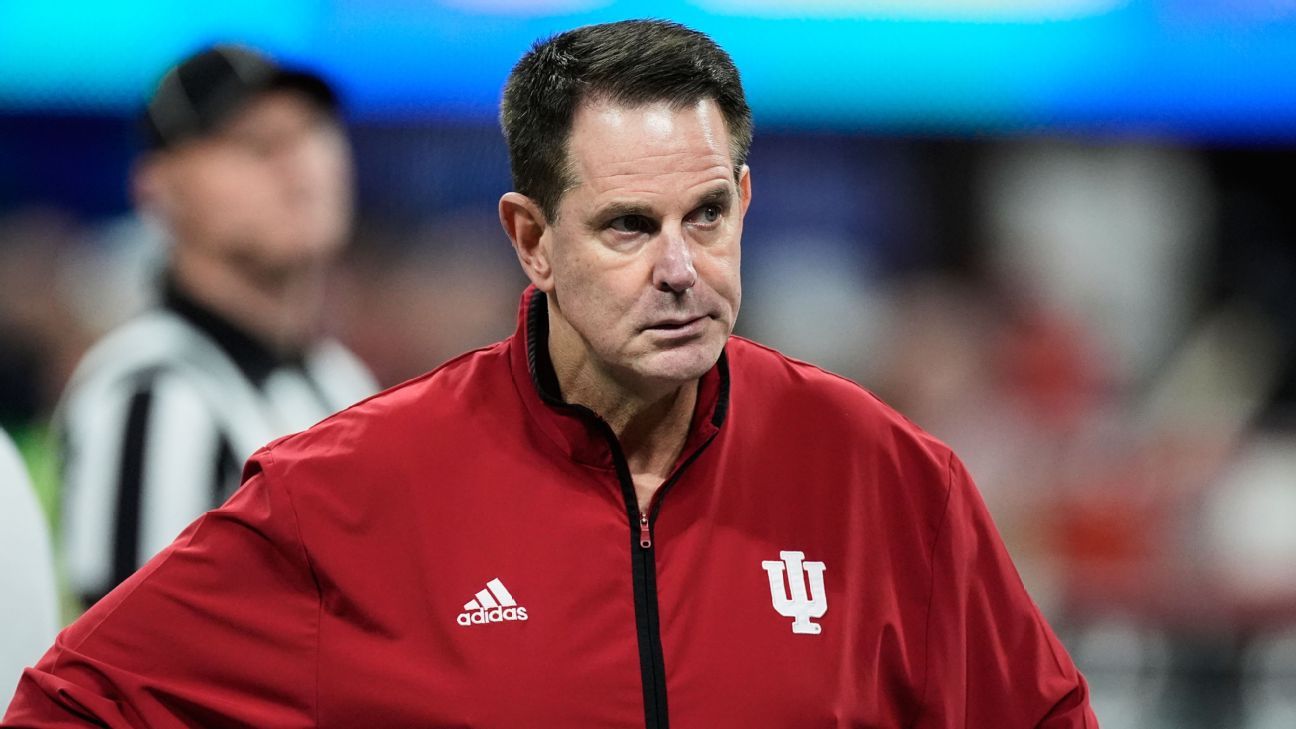
 www.espn.com
Indiana's Curt Cignetti rips transfer Nick Marsh for gold cleats
Indiana coach Curt Cignetti ripped transfer wide receiver Nick Marsh for wearing gold cleats on the first day of spring practice for the defending national champs.
It just seems like they're begging to be sued here.ergo, it'll never pass:
I guarantee a restraining order will be in place the week after they try and enact a penalty..
DReq

Always Illini
- Central Illinois
I think this is how Cignetti finds out you can't be an !!!!!!! when working with millionaires on the field. It is why some college coaches don't make it in the NFL. I don't see it lasting.Yada yada championship coach, but it's still a wild thing to call out your player to the media for a different cleat color..
Indiana's Curt Cignetti rips transfer Nick Marsh for gold cleats
Indiana coach Curt Cignetti ripped transfer wide receiver Nick Marsh for wearing gold cleats on the first day of spring practice for the defending national champs.
We know Indianians love this sort of stuff.. we will see if he can keep it up.I think this is how Cignetti finds out you can't be an !!!!!!! when working with millionaires on the field. It is why some college coaches don't make it in the NFL. I don't see it lasting.
- Status
- Not open for further replies.